
Integrating AAC into Project ImPACT – January 2026
ImPACT Update
Issue: January 2026
This Issue’s Focus: Integrating AAC with NDBIs for Enhanced Language Development
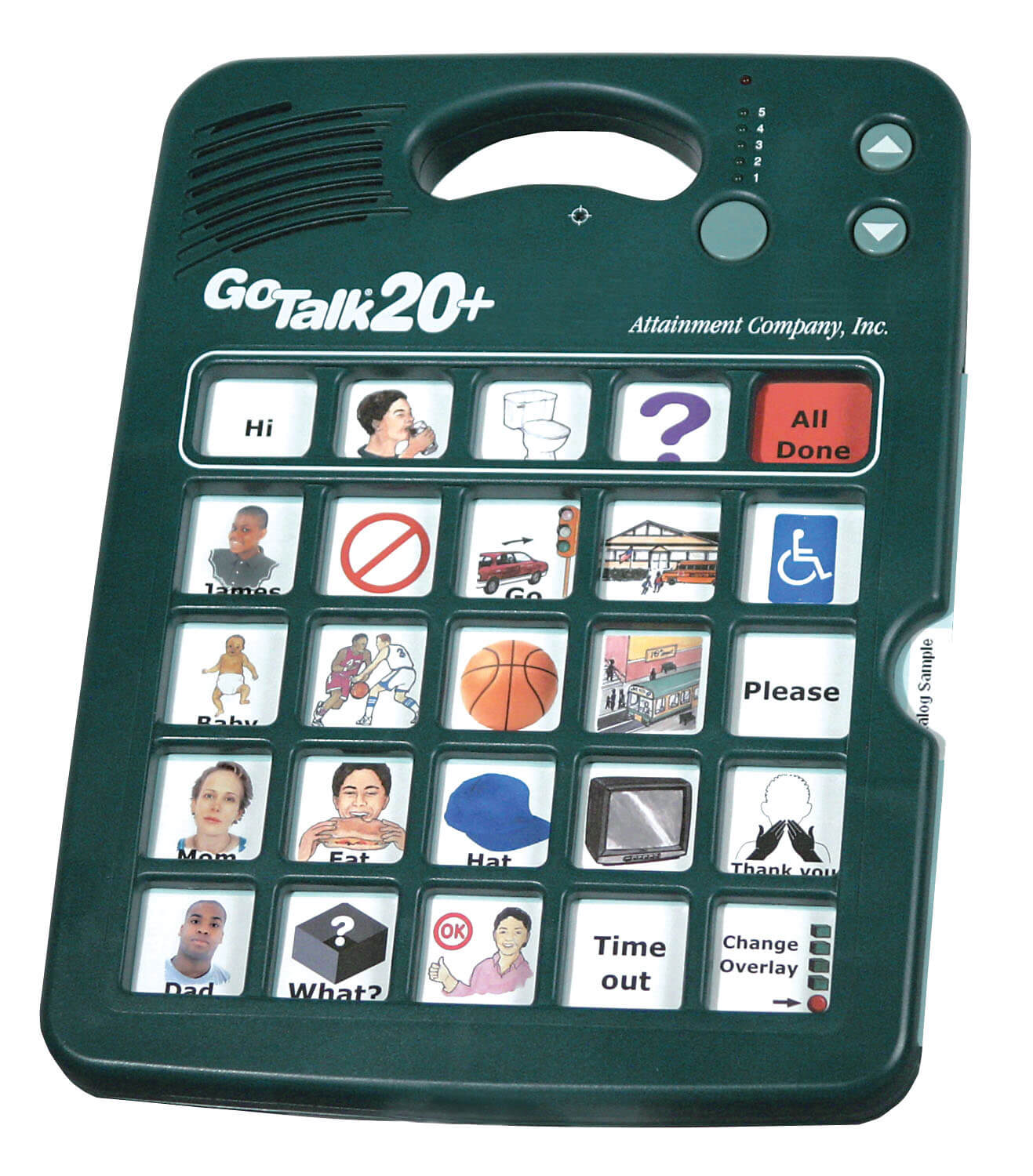
For young children on the autism spectrum with minimal speech, developing functional language is a significant goal. While Naturalistic Developmental Behavioral Interventions (NDBIs) are effective, many traditional NDBIs do not explicitly incorporate Augmentative and Alternative Communication (AAC) systems. This issue highlights how integrating AAC within NDBIs can lead to even greater language outcomes.
-
Research Spotlight:
Explore a systematic review and meta-analysis by Pope, Light, and Laubscher (2024) on the effect of NDBIs with and without AAC on language development. -
Practice Notes:
Discover practical strategies for clinicians to effectively integrate AAC systems into Project ImPACT and other NDBI procedures. -
Announcements:
Stay informed about upcoming webinars, training opportunities, and new resources related to NDBI and AAC integration.
Research Spotlight
Research Spotlight
The Effect of Naturalistic Developmental Behavioral Interventions and Aided AAC on the Language Development of Children on the Autism Spectrum with Minimal Speech: A Systematic Review and Meta-analysis
Authors: Lauramarie Pope, Janice Light, Emily Laubscher.
Journal: Journal of Autism and Developmental Disorders. (2024)
This systematic review and meta-analysis investigated the impact of Naturalistic Developmental Behavioral Interventions (NDBIs) with and without Aided Augmentative and Alternative Communication (AAC) on the language development of children on the autism spectrum with minimal speech.
Study Snapshot
What was done?
What was done?
This was a systematic review and meta-analysis following Cochrane Collaboration guidelines. It included 29 relevant studies (17 single-case, 12 group design) to assess the relative impact of NDBI procedures with and without AAC.
Who was involved?
Who was involved?
A total of 517 participants on the autism spectrum with minimal speech from the included studies. Interventions were conducted by professional interventionists (researchers, teachers, clinical therapists), excluding caregiver- or peer-mediated interventions.
The intervention:
The intervention:
Studies reviewed included:
- NDBI-Only: Naturalistic Developmental Behavioral Interventions without aided AAC (19 studies).
- NDBI+AAC: NDBIs that included instruction in or introduction of aided AAC (7 studies).
- Comparative Studies: Directly compared NDBI without AAC to an AAC intervention (3 studies).
When were measurements taken?
When were measurements taken?
Language measures were included as dependent variables if they were assessed over multiple study timepoints (consistently over time for single-case designs; pre-post for group designs).
What was measured?
What was measured?
- Language Development: Measured via language expression or comprehension (speech or aided AAC).
- Effect Sizes: Calculated using Tau-U for single-case designs and Cohen’s d for group designs.
- Certainty of Evidence: Assessed following Reichow et al. (2008) guidelines (Strong, Adequate, Weak).
Key Findings
NDBIs are Effective for Language:
Both NDBI-Only and NDBI+AAC interventions showed strong positive effects on participants’ language development.
AAC Enhances NDBI Impact:
Both aggregate and comparative effect sizes were notably larger when AAC was included within NDBI procedures (average Tau-U=0.85 for NDBI+AAC vs. 0.74 for NDBI-Only), suggesting better language outcomes.
AAC Supports Speech Development:
Cumulative evidence indicates that AAC intervention does not negatively impact speech development for children on the autism spectrum and may even facilitate spoken language growth.
Methodological Variability:
While promising, the unique contribution of aided AAC on language outcomes was not statistically significant as a direct moderator in meta-analytic moderation, suggesting a need for more direct comparative studies with consistent methodology.
Why It Matters
Enhancing Language Growth for Minimally Verbal Children:
This review provides strong evidence for integrating aided AAC into NDBI procedures to significantly boost language development for children on the autism spectrum with minimal speech, addressing a critical communication need.
Practical Integration & Minimal Adaptation:
The similarity in intervention procedures and participant characteristics suggests that AAC systems can be incorporated into existing NDBI protocols with minimal alterations, making this a feasible and efficient approach for clinicians.
Importance of Early & Thoughtful AAC:
Highlights the effectiveness and appropriateness of early introduction of high-tech aided AAC, provided systems are thoughtfully designed to match each child’s strengths and needs, ensuring maximum potential for language impact.
Call for Clearer Research & Broader Inclusion:
Emphasizes the need for future research with clearer documentation of AAC system variables and intentional inclusion of underrepresented racial, ethnic, linguistic, gender, and age groups to strengthen the evidence base.
Practice Notes
Implementing AAC use with fidelity in Project ImPACT
This meta-analysis underscores the significant benefits of incorporating AAC into Naturalistic Developmental Behavioral Interventions (NDBIs) like Project ImPACT, especially for children with minimal speech. The following strategies can support meaningful communication through AAC within Project ImPACT:
📘 Early Introduction
Introduce AAC systems proactively—not reactively. Waiting until other strategies “fail” may delay access to meaningful expression. Treat AAC as a valid and robust support from the outset of intervention.
🧠 Thoughtful System Selection
Collaborate with families to select AAC systems aligned with the child’s strengths, developmental level, and context. Consider:
- Type: low-tech (e.g., pictures), mid-tech (e.g., single-message devices), or high-tech (e.g., tablet-based apps)
- Representation: line drawings vs. photos
- Layout: grid vs. visual scene
- Grammar: inclusion of verbs, nouns, adjectives, etc.
📣 Aided Language Modeling
Model language frequently and naturally using the AAC system. Pair verbal language with AAC selections to enhance comprehension and use. E.g., Say “You’re driving the car!” while activating DRIVE + CAR on the AAC device.
Three-Prompt Rule
When teaching the child to use the AAC device, be sure to use least-to-most supportive prompts. Continue to pair language models with the AAC so that the child learns to associate the spoken word with the symbol.
🎁 Natural Reinforcement
Respond to AAC communication immediately and meaningfully. E.g., If the child requests “car” via AAC, offer the car right away.
🏡 Integrate into Daily Routines
Encourage AAC use across routines—snack time, play, transitions, storybook reading—to support generalization and build fluency.
Clinician Q&A: “How do help families select the most appropriate AAC system for their child?”
Answer: The focus should be on systems that support beginning communicators, such as visual scene displays with “just-in-time” programming for new vocabulary. Prioritize core vocabulary and functional communication. Regularly assess the child’s engagement and ease of use with the system, and make adjustments as needed.
Fidelity Check: Use the Three-Prompt Rule to teach the child to use the AAC device
When teaching new AAC skills, always start with the least supportive prompt and only increase support if the child doesn’t respond. This promotes learning while honoring the child’s autonomy and communication style. Avoid overprompting—allow processing time (up to 10 seconds) before moving to the next prompt level.
| Prompt Level | Language Prompt | Example |
|---|---|---|
| Least Supportive | Verbal Model | Say “car” aloud and wait expectantly |
| More Supportive | AAC Model | Say “car” while activating “car” on the AAC device as a model |
| Most Supportive | Physical Guidance | Say “car” while gently guiding the child to press “car” |
Announcements
New Resource: Free Webinar on Best Practices in AAC
The Assistive Technology Center of the College of New Jersey has created a webinar series on AAC. View their webinar on Best Practices in AAC.
Upcoming: Project ImPACT Virtual Advanced Course
Our next available Advanced Course will be offered February 9-12, 2026. This course is open to providers who work with young children with social communication delays.