
Cultural Adaptation of Caregiver-Implemented NDBIs – Summer 2026
ImPACT Update
Issue: Summer 2026
Focus: Cultural Adaptation of Caregiver-Implemented NDBIs
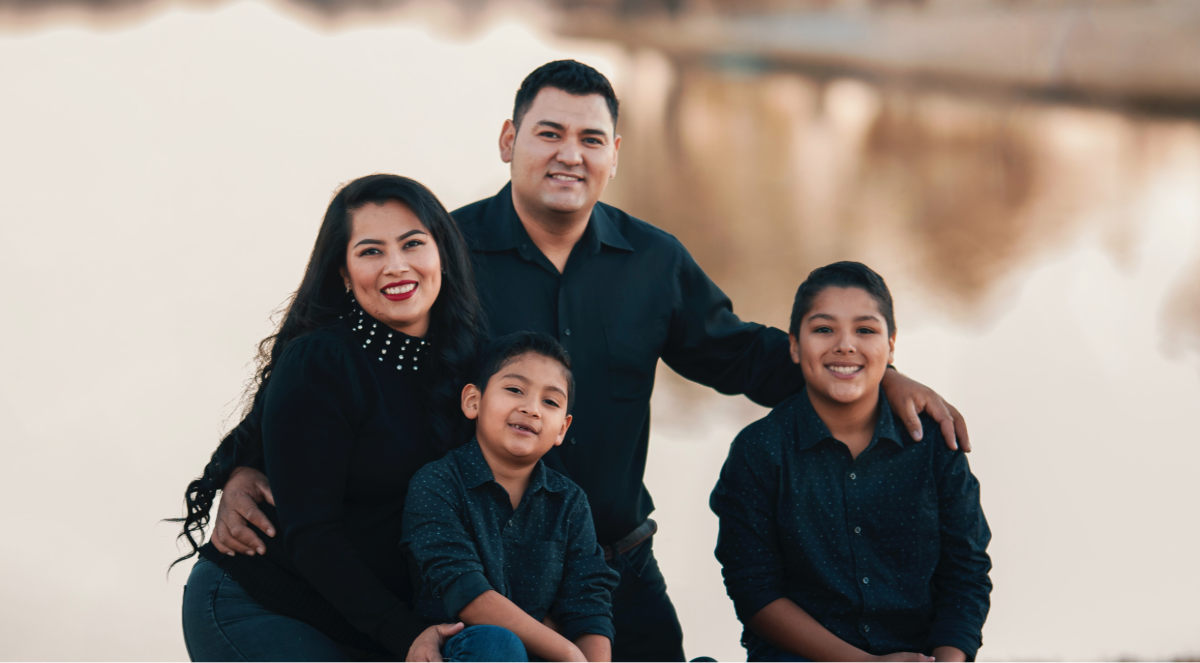
Project ImPACT is built on the idea that intervention works best when it is embedded within families’ everyday routines, relationships, and goals. But families differ in important ways—from the languages they speak to the cultural values and caregiving practices that shape daily life.
A new systematic review examined how caregiver-implemented Naturalistic Developmental Behavioral Interventions (CI-NDBIs), including approaches such as Project ImPACT, have been adapted to support culturally and linguistically diverse families around the world.
Research Spotlight
Caregiver-Implemented Naturalistic Developmental Behavioral Interventions for Linguistically and Culturally Diverse Families with Autistic Children
Younghwa Noh, Jinlan Zhu, and Lauren Hampton
International Journal of Developmental Disabilities (2026)
This systematic review evaluated 12 international studies across six countries to examine how CI-NDBIs (including Project ImPACT, ESDM, EMT, and PRT) have been adapted to meet the cultural and linguistic needs of diverse families using the Cultural Adaptation Checklist (CAC).
Systematic Review
12 Studies
6 Countries
12 Studies
6 Countries
Study Snapshot
What was evaluated?
Synthesized 12 studies (233 autistic children aged 1–7 and caregivers) using the Cultural Adaptation Checklist (CAC) across 7 domains.
Participants
233 Children & Caregivers
Framework
CAC (7 Domains)
100% Caregiver Implementation Fidelity & High Satisfaction
Across all studies measuring implementation fidelity, culturally adapted CI-NDBIs consistently yielded positive fidelity of implementation and high caregiver satisfaction, confirming the feasibility and benefits of these interventions globally.
Beyond Translation: Core Components of Adaptation
Importantly, successful adaptations extended well beyond translation of intervention materials. Programs commonly included:
- Delivery in families’ preferred language
- Bilingual or bicultural interventionists
- Examples & activities reflecting daily routines
- Telehealth & home-based service options
- Inclusion of fathers, grandparents & extended family members
Rethinking Play: Embedded Daily Routines
In cultural contexts where direct parent-child play is non-traditional, forcing play-based interactions yielded limited results. Clinicians saw far greater success by embedding NDBI strategies into functional home routines such as mealtimes, bedtime, and self-care.
Addressing the Cultural Adaptation Gap
Only 3 of the 12 studies met all seven domains of the Cultural Adaptation Checklist (CAC). The authors call for deeper community partnerships, systematic forward-and-backward translations, and sustained collaboration to bridge current equity gaps.
Practice Notes
Culturally Responsive Implementation Strategies
1
Prioritize Trust & Community
Partner with local stakeholders and establish bilingual, bicultural rapport from day one.
2
Focus on Functional Routines
Embed communication goals into daily home activities like meals and bedtime rather than strict play.
3
Support Native Language Use
Encourage bilingual families to interact in their primary language to foster bonding and skill transfer.
4
Maintain Flexible Fidelity
Keep core NDBI elements while adapting delivery methods to fit family schedules and resources.
Clinician Q&A
“What should I do if a family feels uncomfortable with parent-child play-based activities?”
The Takeaway: Respect the family’s cultural norms regarding adult-child play. Pivot Project ImPACT strategies into naturally occurring daily routines (e.g., bath time, meal prep, dressing) where interaction is comfortable and authentic.
Latest Announcements
Virtual Training
Advanced Course
October 12-15, 2026. Designed for providers who work with young children with social communication delays.